
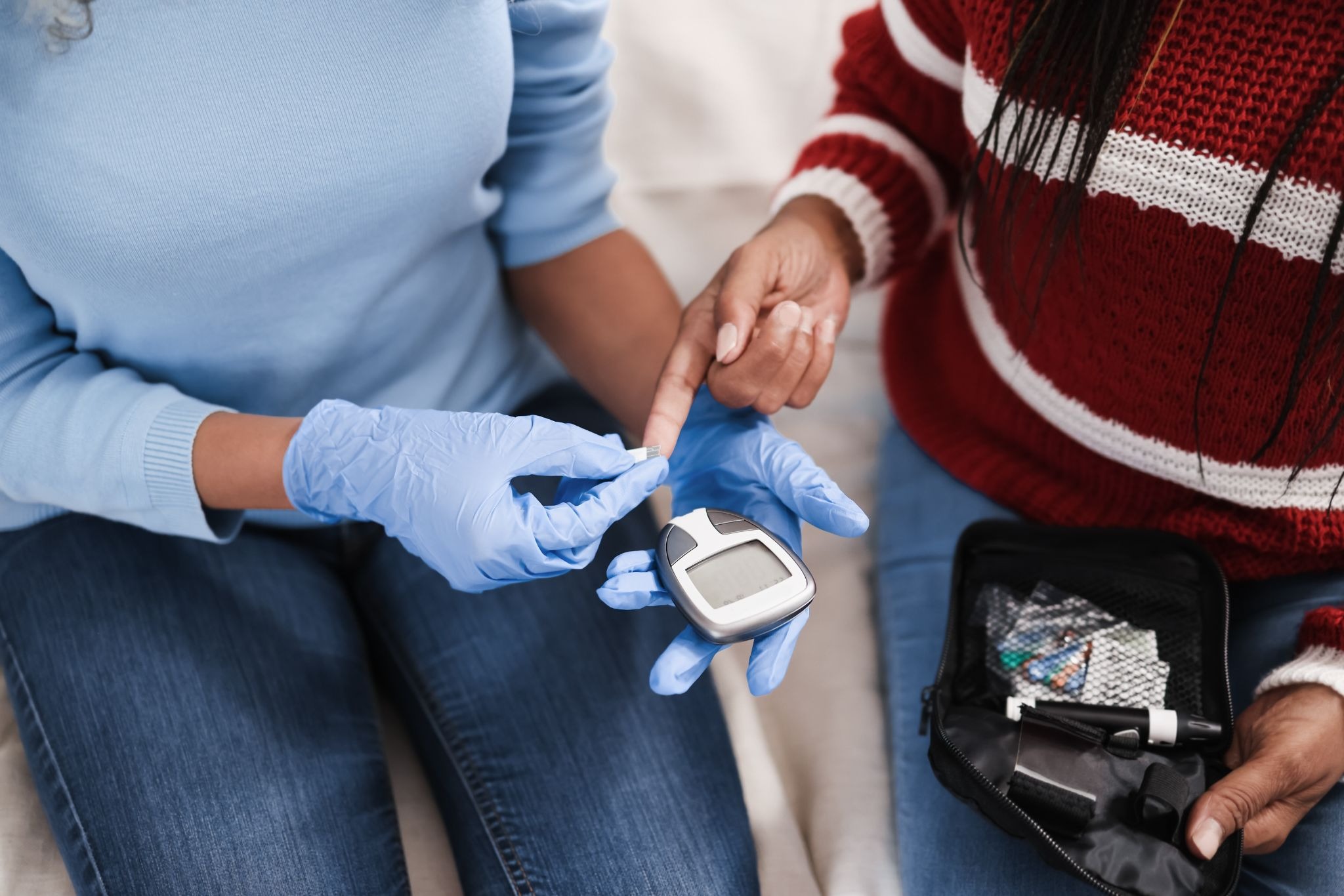
Living with Type Two Diabetes can feel like steering a boat in fog. The shoreline steady blood sugar and a healthy future is there but hard to see. The good news is that you can learn the route. With the right habits, tools, and support, Type Two Diabetes long-term management becomes a daily rhythm, not a daily battle.
This guide turns dense medical advice into clear, doable steps. We will cover food, movement, medication, complication screening, sleep, stress, and the mindset that ties it all together.
Understanding Type Two Diabetes
In Type Two Diabetes, cells stop responding well to insulin. The pancreas tries to keep up by making more. Over time it tires out, and glucose builds in the blood. High sugar does not hurt at the moment but it slowly damages vessels and nerves. Eyes, kidneys, heart, and feet take the hit.
The flip side is powerful: lower glucose, and you slow or even stop much of that damage. Every small improvement counts.
Setting Long-Term Goals and Key Metrics
Target A1C and “Time in Range”
A1C measures average blood sugar over roughly three months. Most adults aim for an A1C below 7 % though targets vary. Ask your clinician what makes sense for you.
If you wear a continuous glucose monitor, watch “time in range” (usually 70–180 mg/dL). Seeing that green bar stay solid is more motivating than a number you test twice a year.
Fasting vs. Post-Meal Glucose
Fasting values show overnight liver output; post-meal numbers reveal how food choices land. Checking two hours after eating teaches you which meals risk spikes.
Blood Pressure and Cholesterol
Heart disease is still the number one threat. Keep blood pressure near 120/80 and LDL cholesterol low. These numbers predict heart attacks more than any single glucose reading.
Nutrition Strategies for Sustainable Control
Food advice can feel like a rule book. Let’s trade rules for patterns.
The Balanced Plate Method
Visualize your plate. Half should hold non-starchy vegetables colors you can pile on without counting carbs. A quarter is protein chicken, fish, tofu, eggs, beans. The last quarter is “smart carbs” such as quinoa, lentils, or a small sweet potato. Add a thumb-size swirl of healthy fat like olive oil or avocado to slow digestion.
Carb Quality and Portion Size
Carbs are not the enemy, but speed matters. Soda, white bread, and candy rush straight into the bloodstream. Whole grains and fruit arrive slower thanks to fiber. Pair carbs with protein or fat to soften the rise. An apple with almond butter beats an apple alone.
A Sample Day on the Plate Method
• Breakfast: veggie omelet, slice of whole-grain toast, berries
• Lunch: quinoa salad with chickpeas, cucumber, tomato, feta, olive oil
• Snack: Greek yogurt with cinnamon
• Dinner: baked salmon, roasted broccoli, half cup brown rice
The plan is modest on carbs, rich in fiber, and balanced enough to follow on busy days.
Movement as Medicine
Exercise lowers glucose in a way pills can’t match. Muscles soak up sugar for fuel during and after activity.
Daily Aerobic Activity
Walk ten to twenty minutes after your largest meal. This quick stroll can drop post-meal glucose by 30–50 mg/dL. Rainy night? March in place or dance in the living room.
Strength Training for Insulin Sensitivity
- Lifting weights or using resistance bands twice a week builds muscle, which stores more glucose.
- Aim for the major groups legs, back, chest. Short sessions work if they are consistent.
Sneaking Activity Into Routine
- Stand during phone calls.
- Park at the far edge of the lot.
- Do calf raises while brushing teeth.
These micro-moves add up and keep insulin resistance in check.
Medication and Technology Toolbox
Lifestyle shifts are powerful, yet many people still need medication. That is normal biology, not failure.
First-Line Agent: Metformin
Metformin lowers liver glucose production and improves insulin response. It is low cost and has decades of safety data.
Newer Drugs: GLP-1 and SGLT2
GLP-1 receptor agonists help the body release insulin only when needed, tame appetite, and protect the heart. SGLT2 inhibitors prompt kidneys to flush excess sugar and have shown strong kidney benefits. Your clinician will weigh side effects, cost, and your personal risks.
Continuous Glucose Monitors and Smart Pens
A CGM shows real-time trends, teaching you how pizza or stress affects levels. Many insurers now cover CGMs for Type Two Diabetes. Smart insulin pens log doses and suggest corrections, reducing guesswork and lows.
Preventing and Monitoring Complications
Catching problems early saves health and money.
Eye Exams and Nerve Checks
Get a dilated eye exam every year, even if vision feels fine. Retinal damage can hide until late. During visits, ask for a simple foot sensation test; nerve issues start small.
Kidney Function Tests
A yearly urine albumin test plus blood work detects early kidney strain. Pairing SGLT2 drugs with blood pressure control protects this vital filter.
Foot Care Basics
Wash and dry feet daily. Moisturize but skip lotion between toes. Check for cuts or color changes. Comfortable shoes and clean socks are cheap insurance against ulcers.
Lifestyle Factors Beyond Diet and Exercise
Sleep and Diabetes
Under-sleeping one night can raise insulin resistance the next day. Aim for seven to nine hours. If you snore loudly or wake unrefreshed, test for sleep apnea; treatment often lowers A1C.
Stress Management Practices
Stress hormones push sugar higher. Try box breathing: inhale four seconds, hold four, exhale four, hold four. Repeat for a minute. Journaling, walking in nature, or five minutes of stretching also calm the system.
Social Support and Mental Health
Isolation can sabotage plans. Join a diabetes class, an online group, or enlist a friend for evening walks. If burnout hits, consider counseling; mental health is blood sugar health.
Creating a Personalized, Sustainable Plan
No two bodies react the same. Work with your healthcare team to set small goals:
• Lower A1C from 8 % to 7 % in six months
• Add two strength sessions a week
• Swap sweetened drinks for sparkling water
Track progress, celebrate wins, and adjust. Life events, holidays, travel, illness will push you off course. A good plan bends, not breaks.
Conclusion: Your Next Step Matters Most
Type Two Diabetes is a chronic condition, but it need not be a chronic burden. Anchoring on balanced meals, daily movement, smart meds, and regular check-ups can keep blood sugar in range and complications at bay. Pick one change stretch after lunch, download a breathing app, schedule that eye exam and start today. The shoreline gets clearer with every small, steady stroke.
