
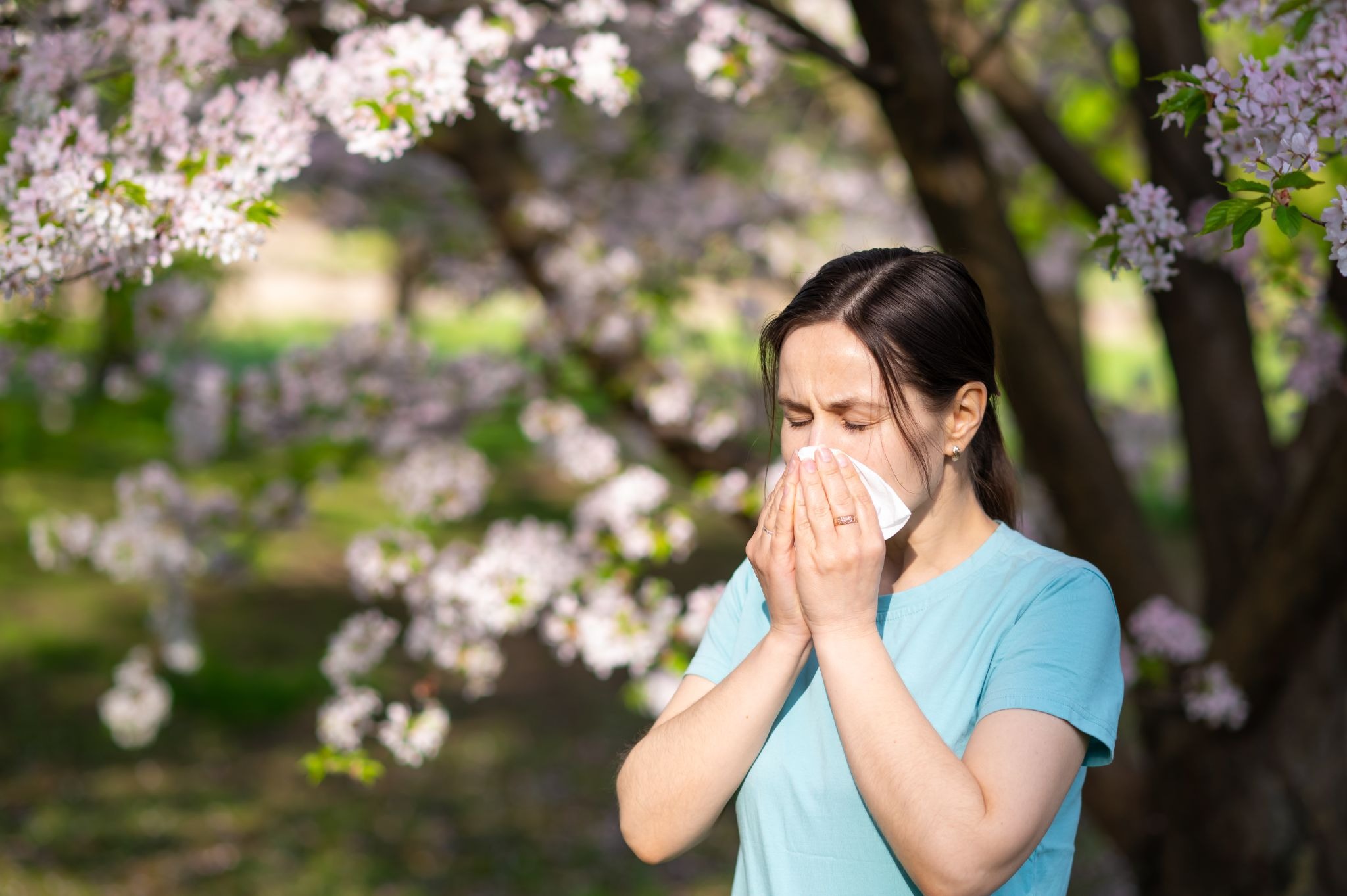
Seasonal allergies (also called hay fever or allergic rhinitis) are a problem that afflicts a greater proportion of over a quarter of adults in the world. Itchy eyes, sneezing, nasal congestion, and fatigue would ruin productivity, sleep and fun out of doors. However, most victims only address symptoms when they go out of control and not by establishing a science based, proactive plan towards continuous control. This resource provides the evidence-based Seasonal Allergy Management strategies, which prove to be used in spring pollen, summer grasses, fall molds, and even winter allergens that are brought indoors. By the end, you will understand how to reduce exposure, settle the immune system, and be critical when forming a stable outlook on the possible emerging ways to solve the problem.
Know Your own Pollen calendar
Timing is the beginning of the ESAM. The time when the regions bloom, varies though the usual order is as follows:
- Early spring: tree pollens (oak, birch, cedar)
- Late spring -midsummer: grass pollens (timothy, rye)
- Late summer-autumn: ragweed weed (mugwart), delta-9-tetrahydrocannabinol.
- Outside molds Outdoor molds (Alternaria, Cladosporium) 92/105.5°C, wet weather, or rotting leaves.
Close the Doors to Allergens before they come In
The most cost-effective pillar of Seasonal Allergy Management is exposure reduction, but it is not well regarded since the positive outcomes are inconspicuous when implemented properly. Emphasize on three points of entry; air, clothing, and pets.
- Close the windows at the peak times of pollen (usually 5 a.m.10 a.m.).
- Have a certified HEPA filter running in bedrooms with a change of filters after every three months.
- Keep indoor humidity at 40 per cent to 50 per cent discouraging the growth of mold.
- Fibers carry grains of pollen. Take off clothes and bathe following lengthy outdoor activity. Wash clothes with hot water; the cold washing does not leave many allergens.
- Pets ( dogs and cats ) bring pollen inside the house trailed by fur. Wipe with a moist microfiber cloth post strolls and evaluate limiting the availability of the bedrooms when the count is excessive.
Drug: Pharmacologic Choices What Drug to the Symptom
Allergies are not cured using medications, rather it dulls the inflammatory cascade initiated by exposure to the allergen. The awareness of the agent to each manifestation streamlines the Seasonal Allergy Management, preventing polypharmacy.
The use of corticosteroids intranasally (fluticasone, mometasone)
- Application: First-line to treat congestion, dripping and sneezing of the nose.
- It has a cumulative utility when used on a daily basis; it is not necessary to cease on good days.
Second generation anti-histamine (cetirizine, fexofenadine)
- Attack itching, sneezing without excessive tranquility.
- Take daily meals so that plasma concentrations remain constant.
Stabilizers of mast-cells (cromolyn sodium nasal spray)
- Application Useful in pregnant patients or in patients intolerant to steroids.
- And is it once per day: much depends on compliance.
Leukotrienes antagonists (montelukast)
- Useful especially in cases when mild asthma is worsened by allergies.
- Assess changes in mood; infrequent neuropsychiatric situations are reported.
Drops antihistamine ocular (olopatadine, ketotifen)
- Disliking the itchy red eyes, act locally and be relieved really quick.
- Take out contact lenses and wait a ten minute duration before reinserting the lenses.
Immunotherapy: Reducing a radically new Education to the Immune System
In case of insufficiency of avoidance and medication, the underlying disease may be altered by using allergen immunotherapy (AIT). Two delivery modes exist:
- Subcutaneous immunotherapy (SCIT): classic allergy vaccinations, which are also known as an allergy shot, that is given at increasing amounts every one to four weeks under the guidance of a doctor.
- Sublingual immunotherapy (SLIT): dissolvable specific pollen tablets, which one can take at home daily, 1 day after an initial in-office dose.
Nutrition and Microbiome recommendations
Allergic rhinitis cannot be cured only by diet, but the best evidence has been associated with the existence of gut microbiota diversity to immune tolerance. Key insights:
- High fiber diets help produce more short-chain fatty acids that suppress systemic inflammation.
- Fermented foods (yogurt, kefir, kimchi) expose useful bacteria which could attempt to regulate Th2-mediated allergic pathways.
- Omega-3 fatty acids of fatty fish alter the effect to an anti-inflammatory eicosanoids.
Timing and Environment of Exercise
Exercise has been shown to increase breathing ease and mood although with more vigorous actions such as outdoor exercise, there have been peaks of pollen exposure. Optimize training by:
- Selecting late hours when the counts are not high.
- The peak hours can be running immediately after a rain which momentarily eliminates airborne pollen.
- Working out in an indoor gym or a treadmill with filtered air, on days of extreme high condition.
In exercise-induced bronchoconstriction, symptoms in people taking pre-treatment by inhaled bronchodilators and wearing a mask to warm and humidify the air can be lessened.
The Adaptive Response of Masks: A Lesson of Pandemic Worked Over Allergies
Face coverings became common during the COVID-19 era, which was an incidental show of value in the face of the Seasonal Allergy Management. Research has established that surgical and KN95 masks both decrease the amount of inhaled pollen load by up to 80%. Sneezing and nasal blockage can be reduced with a tight-fitting mask aiding with snuffing and, during high count periods, commuting by bicycle instead of automobiles without drug treatment, as long as you mow the lawn, rake the leaves, or ride the bicycle.
Digital Data and Tools Image
Quantified forecasts are enabled by modern phone sensors, satellite images and the report of reported symptoms which is crowdsourced.
- The apps such as the Pollen Wise and Allergy Alert are apps that combine the local pollen levels with local medicine: medicine notifications.
- Intelligent watches monitor the state of sleep disturbances and heart-rate fluctuations, which are a precursor of an upcoming outburst before you feel the congestion.
- Outdoor air quality Augmented reality filters indicate particulate sizes that are pollen-specific.
Use these sites to amend plans on a daily basis; re-arrange a lengthy hike, or make sure that antihistamine is taken at a certain time depending on information and not a preference.
Rebates: Special Populations, Children, Pregnancy and Older Adults
Children
It is possible to prevent the progression of allergy to asthma with early allergy control the so-called allergic march. Intranasal corticosteroid mediation in pediatric age of two years and above is safe when administered appropriately. The parents would want to demonstrate nose-sprays technique and incorporate playing break indoors in high counts.
Pregnancy
Naresal congestion may be aggravated by changes in hormones. The first choice is safe under categories, cromolyn nasal spray and saline irrigations. Obstetric providers should always be consulted when introducing new treatments.
Older Adults
Polypharmacy due to age enhances the risk of interaction. Second-generation antihistamines with low anticholinergic liability are also favored over first-generation agents such as diphenhydramine that have the ability to cause confusion and falls.
Integrative and Emerging Therapy
- Nasal saline irrigation: This is a simple, daily, twice a day, mechanical clearance of allergens and inflammatory products that decrease the symptoms by 30 percent in controlled trials.
- Butterbur and spirulina: Preliminary studies have shown effects of anti-histamine but the standardization of the product and liver toxicity testing is a question.
- Biologic agents: IgE (omalizumab) or IL-4/IL-3 pathway monoclonal antibodies have potential in the treatment of severe allergic disease complicated with asthma but not first-line in untreated rhinitis because of the expensive cost.
Essentially consider alternatives. Seek peer data, dose regimens, and transparency of side effects and then adopt.
Critical Reasoning and Future-oriented Proposals
Examples Seasonal allergies point to the contact between the environment, immunity and behavior. Although there are generally standardized guidelines, responses are vastly different, compelling one to adopt a contemplatory approach:
- Assumptions on question seasonality: Mold and dust mites inside the home create a gray area distinguishing between seasonal and perennial. There is a recurring case of winter sniffle, which should be re-examined to identify other triggering factors other than pollen.
- Fit between comfort and biodiversity: Hyper-clean houses can limit exposure to microbes necessary in immune training particularly among children. The outdoor activity that is controlled and combined with pragmatic cleaning provides balance.
- Engage in climate discourse: Normally increased growing seasons and increased production of pollen. The individual health advocacy can be related to the environmental policy debates of the city-building and emissions.
- Re-evaluate risk-benefit on a periodic basis: The kind of treatment you require at age 25 will not necessarily be the same at age 45 because there are new career changes, changes of place, or comorbid situations. Arrange an allergy checkup once in a year instead of ordering the prescriptions for automatic renewal.
- Integrate mental health: There is sleep and mood erosion due to chronic symptoms. Yoga and meditation will not help reduce the amount of pollen in the air; it will help get more resilient to pain.
