
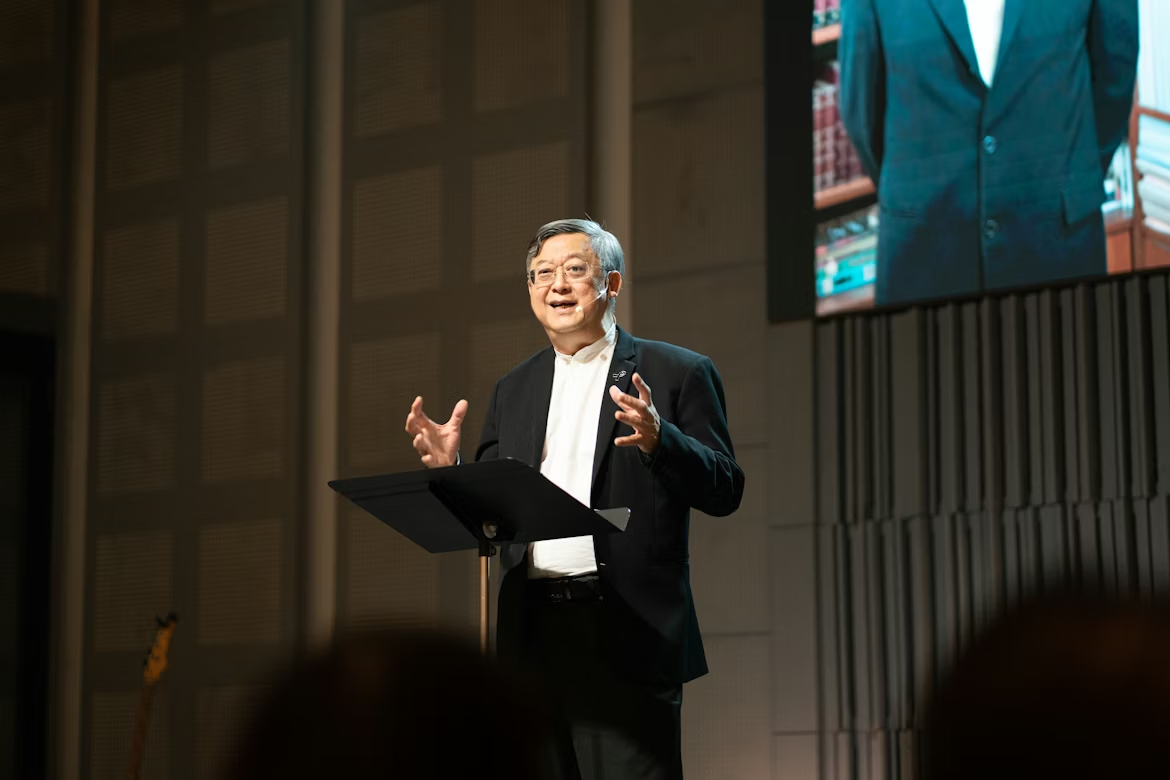
Training is not confined to academic institutions or early career development. It is a continuous process that strengthens competence, protects well-being, and refines leadership capacity. In a rapidly evolving world, individuals who commit to structured learning maintain relevance and resilience.
The most impactful forms of training extend beyond technical skills to include safety preparedness and executive-level development. A deliberate approach to lifelong training builds both capability and authority.
Foundational Skill Development
Every individual requires foundational training in communication, critical thinking, and financial literacy. Clear communication enhances professional credibility and strengthens interpersonal relationships.
Critical thinking develops the capacity to evaluate information objectively and make sound decisions. Financial literacy provides control over personal resources, investment planning, and long-term stability. These skills form the structural base upon which other competencies are built.
Technical and Industry-Specific Training
Professional growth demands continuous technical training aligned with one’s field. Whether in technology, healthcare, finance, engineering, or entrepreneurship, industries evolve rapidly. Regular certification programs, digital upskilling, and regulatory compliance training ensure competence remains current. Technical stagnation reduces competitiveness, while consistent professional development reinforces expertise.
Safety Training Courses
Safety training is essential regardless of profession. Workplace hazards, emergency scenarios, and health risks require structured preparation. Safety training courses strengthen awareness and reduce preventable incidents. Programs offered by organizations such as Occupational Safety and Health Administration provide regulatory standards and training frameworks that promote safe working environments.
Courses in first aid, CPR, fire safety, and emergency response create preparedness that extends beyond the workplace. Institutions such as American Red Cross deliver certified safety programs that equip individuals with life-saving skills. Safety training cultivates responsibility, situational awareness, and risk mitigation. In leadership roles, understanding safety compliance is critical for protecting teams and maintaining operational continuity.
Leadership and Emotional Intelligence Training
As responsibilities increase, technical expertise alone becomes insufficient. Leadership training develops the ability to guide teams, manage conflict, and inspire performance. Emotional intelligence training enhances self-awareness, empathy, and communication under pressure. These competencies strengthen professional relationships and improve decision-making quality.
Executive Coaching as Advanced Development
Executive coaching represents a higher level of structured growth. Unlike general leadership seminars, executive coaching provides individualized development tailored to personal strengths and blind spots. Organizations such as Marshall Goldsmith Stakeholder Centered Coaching and BetterUp specialize in performance-focused executive development.
Through guided assessment and feedback, executive coaching sharpens strategic thinking, accountability, and resilience. It supports leaders in refining communication styles, navigating organizational politics, and sustaining performance under pressure. Even individuals outside formal executive roles benefit from coaching by accelerating maturity and strengthening decision discipline.
Health and Personal Resilience Training
Physical and mental resilience are foundational to sustained performance. Training in stress management, mindfulness, and physical fitness enhances energy and focus. Personal resilience training equips individuals to navigate uncertainty without compromising clarity or effectiveness.
The most important trainings in life extend beyond formal education. Foundational skills, technical expertise, safety preparedness, leadership development, and executive coaching collectively shape competence and authority. Safety training protects life and organizational stability, while executive coaching refines strategic leadership capacity.
