
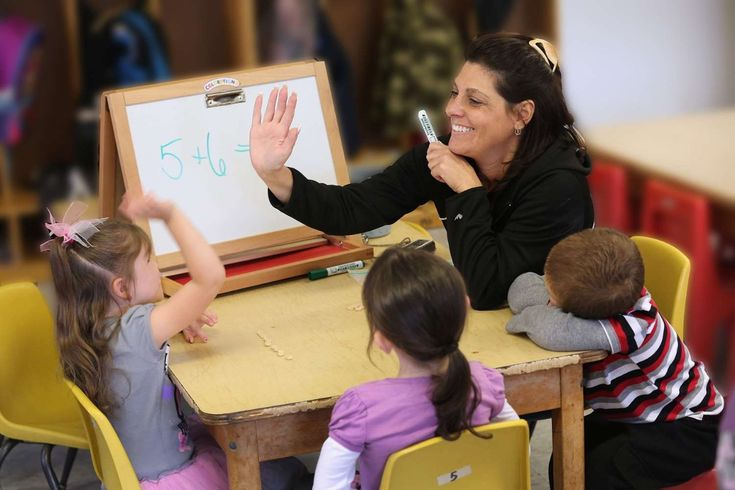
Children are constantly exploring, learning, and discovering the world around them. Supporting this growth requires understanding their unique needs and providing opportunities that encourage development. Every child learns differently, and recognizing these differences is key to helping them thrive. From early interventions to structured programs, parents and educators play a critical role in shaping a child’s learning journey.
Structured Play Activities For Early Development
Play is not just fun; it is essential for cognitive and social growth. Structured play activities, like building blocks or imaginative role-play, help children develop problem-solving skills. These activities encourage creativity while reinforcing basic concepts such as numbers, shapes, and colors. Regular play also fosters communication and collaboration, preparing children for more complex learning tasks in school and beyond.
Tailored Programs With Autism Diagnosis Evaluation
An autism diagnosis evaluation is a detailed assessment that identifies developmental challenges in children. Tailored learning programs based on these evaluations provide targeted support where it’s needed most. For children on the autism spectrum, structured routines, sensory-friendly activities, and personalized guidance can enhance engagement. Using the insights from an autism diagnosis evaluation ensures that interventions are meaningful and effective, promoting steady progress in learning and social skills.
Nurturing Growth Through Quality Child Care Services
Child care services play a crucial role in early education and socialization. High-quality programs offer a safe environment where children can explore, interact, and develop essential skills. Through guided activities, storytelling, and collaborative projects, child care services support both academic and emotional growth. Parents benefit too, knowing that their children receive attentive care and structured learning experiences while building independence.
Skill Development With Inclusive Learning Practices
Inclusive learning practices integrate children of all abilities into shared learning environments. Incorporating techniques from child care services and insights from autism diagnosis evaluation can create a supportive classroom. Activities are designed to accommodate varying abilities, ensuring no child is left behind. This approach promotes empathy, patience, and teamwork among children, while providing a framework for individual skill development.
Parental Engagement In Learning And Growth
Parents are the primary guides in a child’s learning journey. Active engagement, such as reading together or practicing new skills at home, reinforces lessons from school or child care services. Understanding the results of an autism diagnosis evaluation can help parents provide targeted support. Consistent encouragement and interactive learning at home strengthen confidence, social skills, and curiosity, giving children a sense of security while exploring new ideas.
Fostering Emotional And Social Intelligence
Beyond academics, emotional intelligence is vital for children’s overall growth. Activities that encourage sharing, empathy, and problem-solving help children navigate social situations. Child care services often include group games and collaborative projects to enhance these skills. When children learn to understand their own emotions and those of others, they become better communicators and more resilient learners.
Conclusion
Enhancing learning and growth in children requires a combination of structured activities, personalized support, and active parental involvement. Tools like autism diagnosis evaluation provide valuable insights for tailored learning, while quality child care services ensure children have a safe and stimulating environment. By fostering both academic and emotional development, parents and educators can equip children with the skills they need to thrive. Each child’s journey is unique, but with the right support, every child can reach their full potential.
